Min
Dog Agility Training Equipment
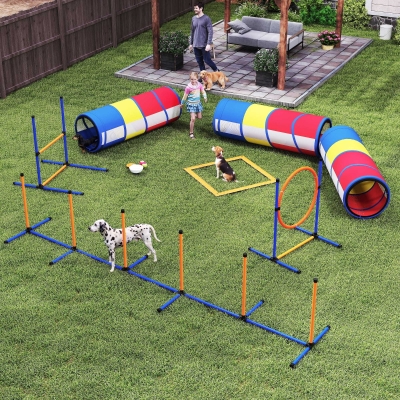


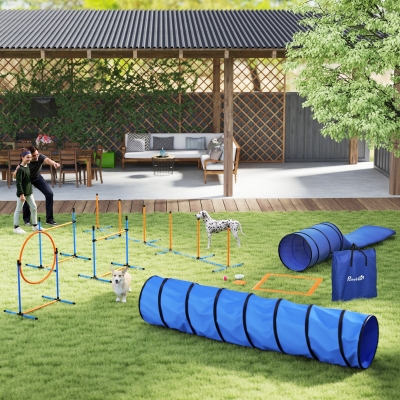
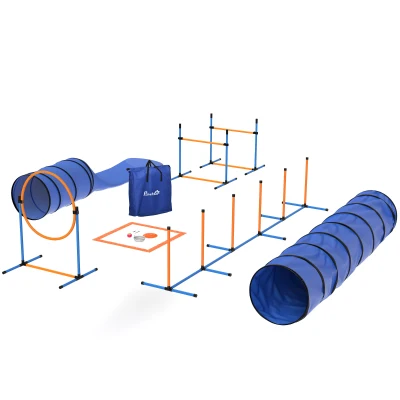
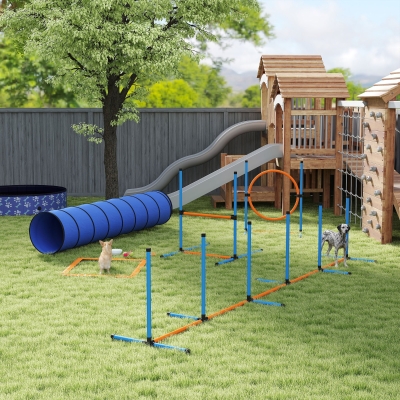


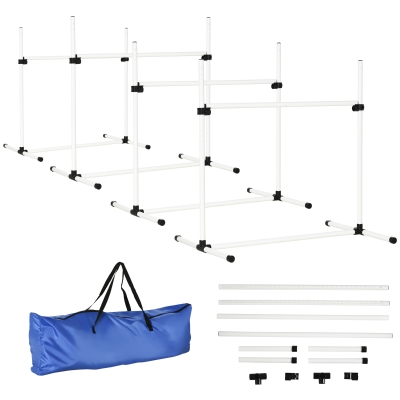


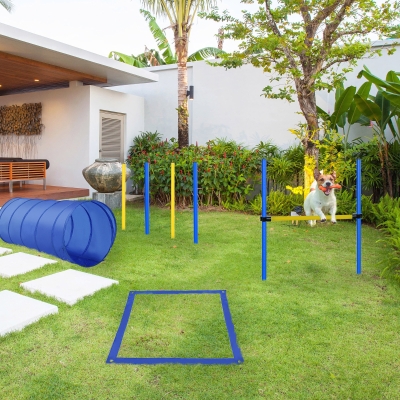
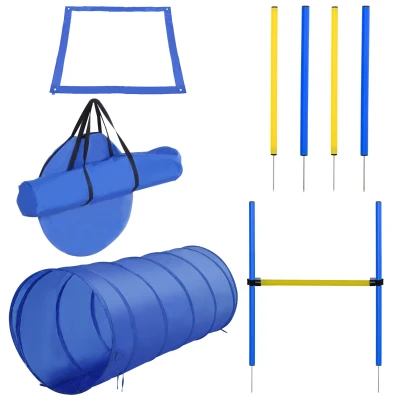
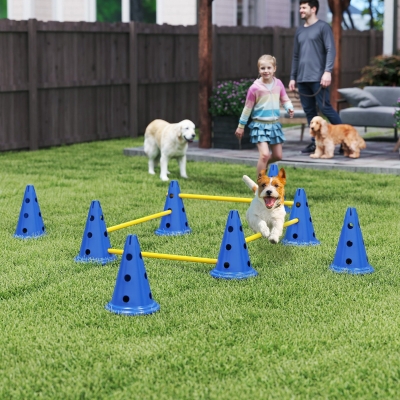
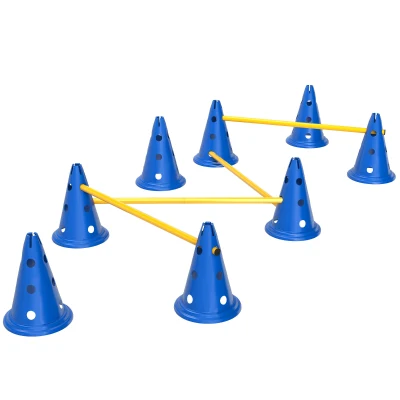


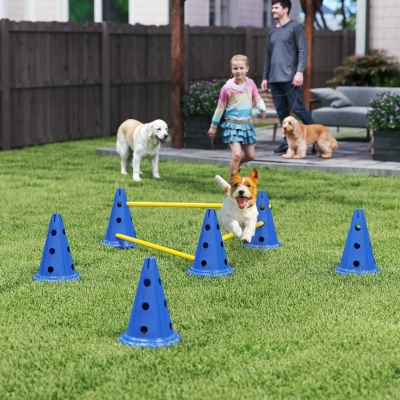
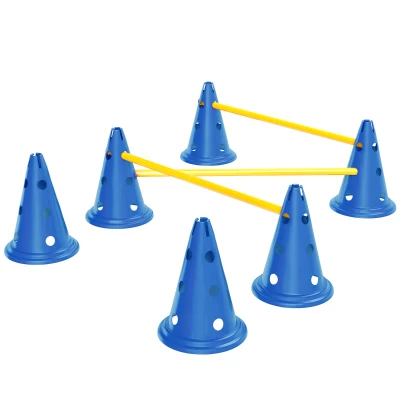
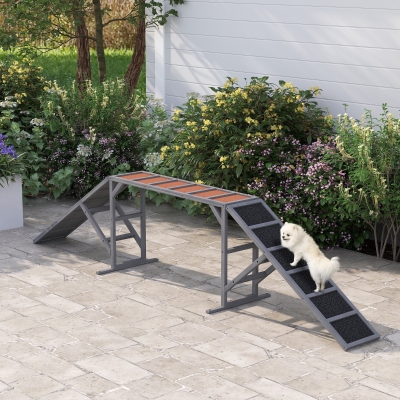


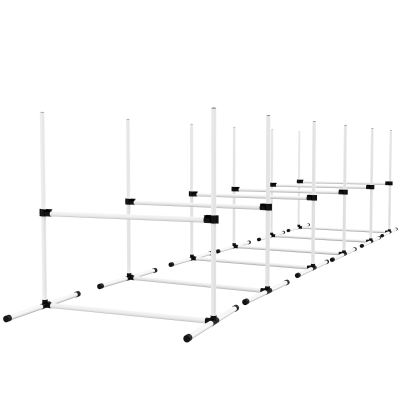

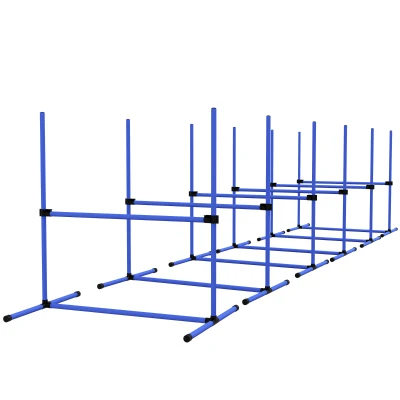
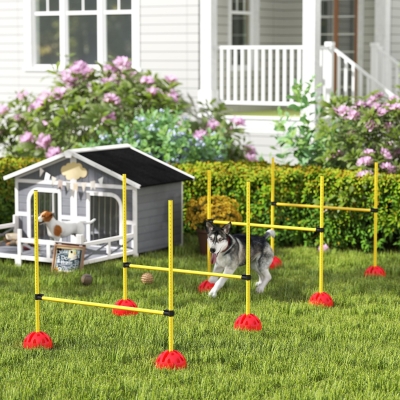
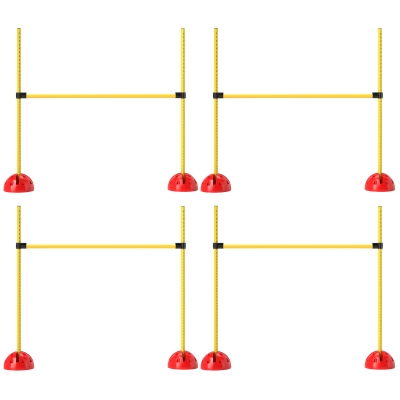
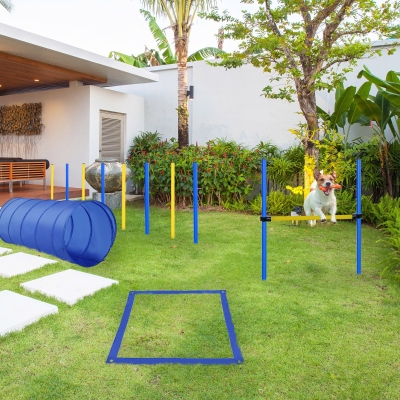
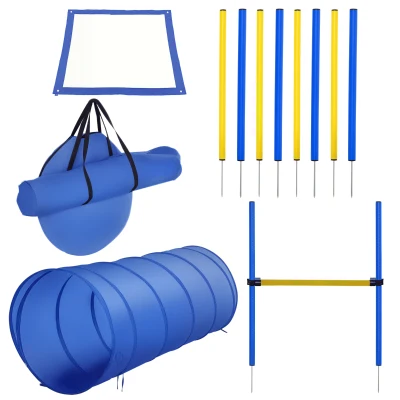
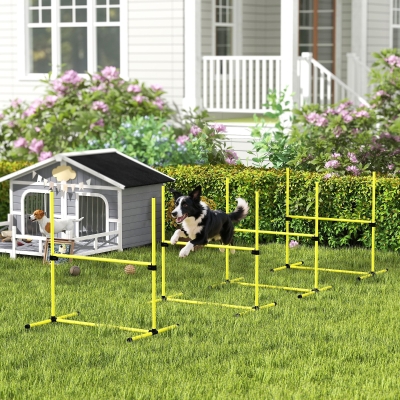
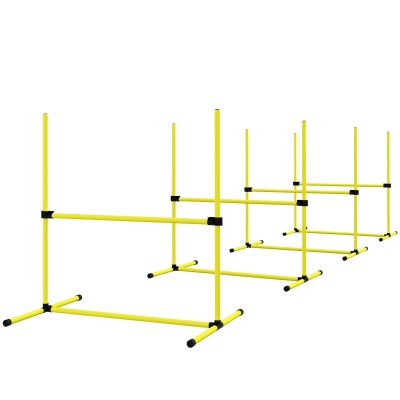
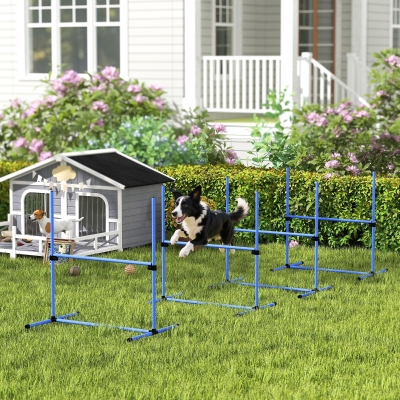
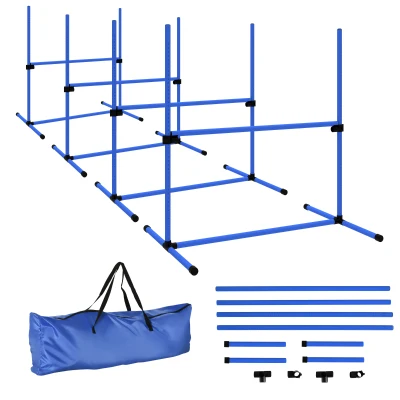

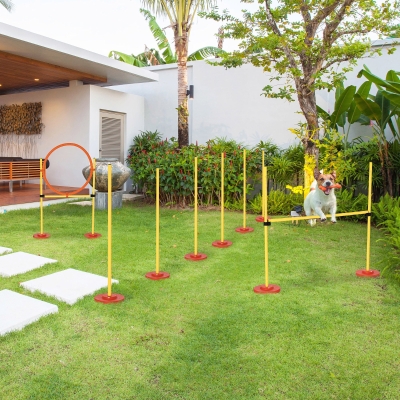
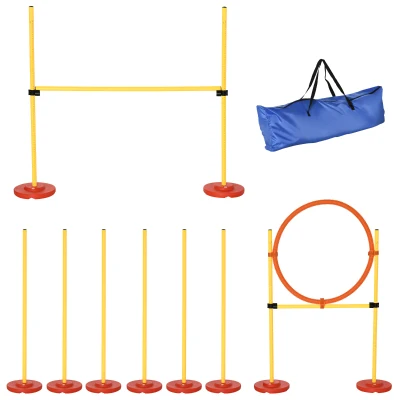


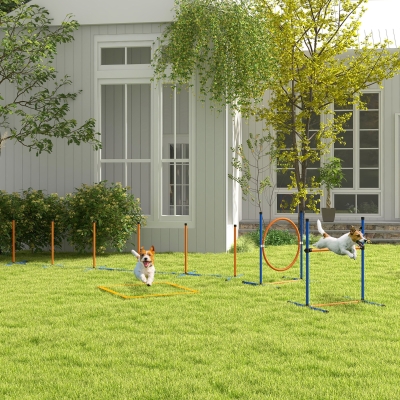
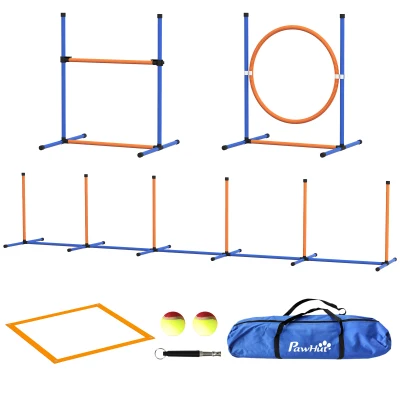
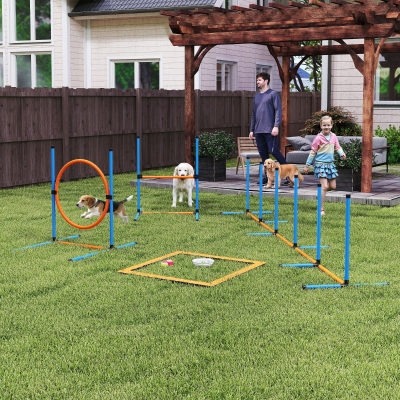
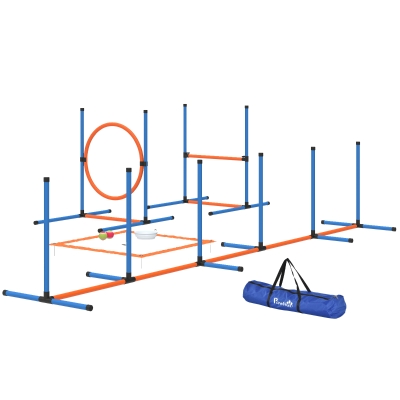


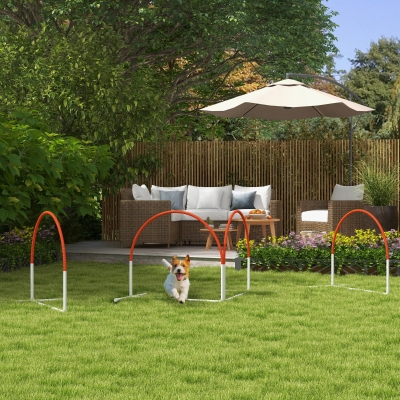
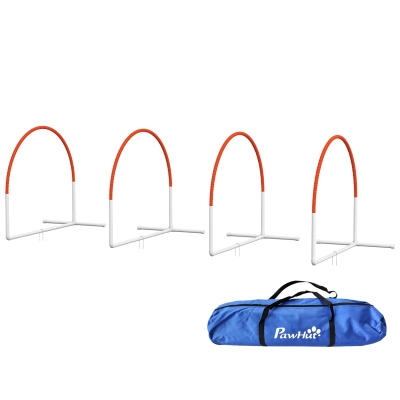
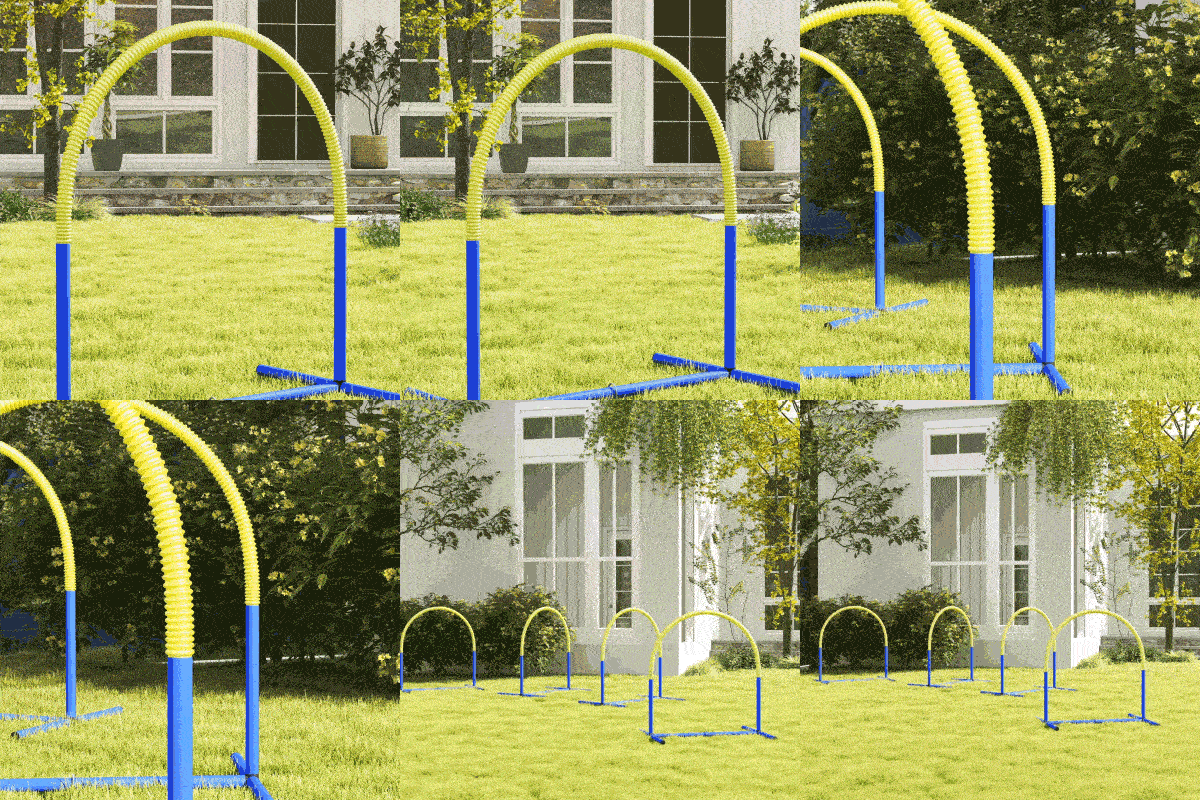
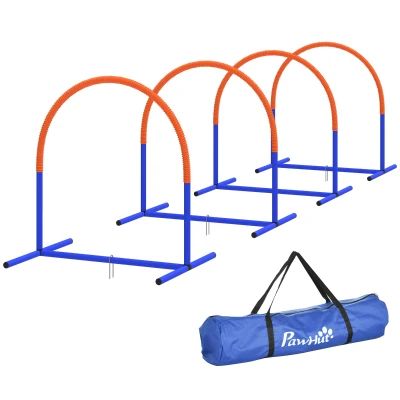
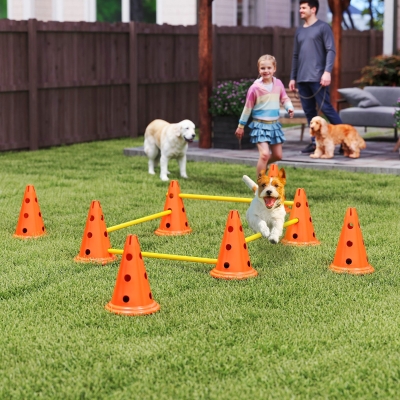
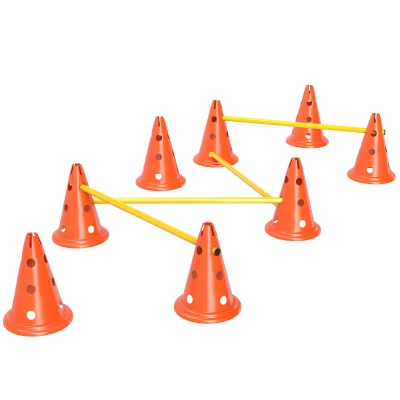
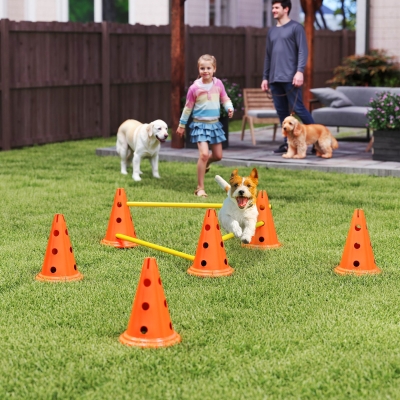
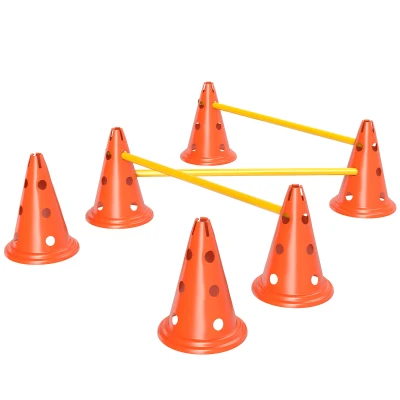

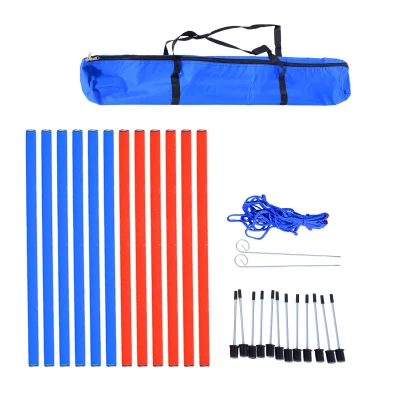
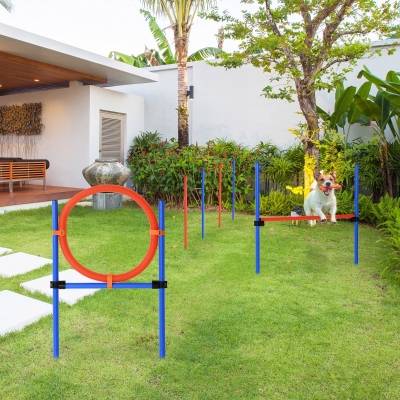
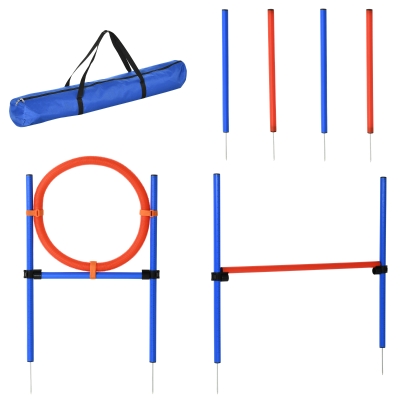
Dog Agility Equipment for Backyard Training
Dog agility equipment provides an engaging way to combine physical exercise, mental stimulation and obedience training. Whether you are introducing a puppy to simple obstacles or creating a more challenging course for an active adult dog, agility training can help build confidence, coordination and communication between you and your pet.
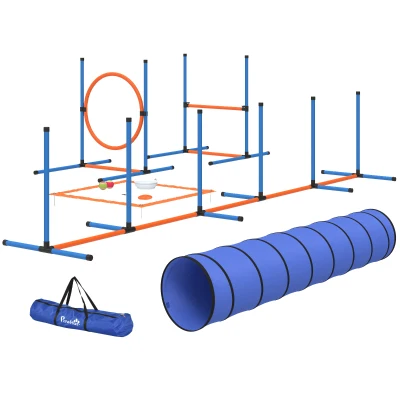
Explore PawHut dog agility equipment for home and backyard use, including complete training kits, tunnels, hurdles, jump rings, weave poles, seesaws and ramps. With a variety of individual obstacles and multi-piece sets available, you can create a course that suits your dog’s experience level, available space and preferred activities.
Complete Dog Agility Kits and Obstacle Course Sets
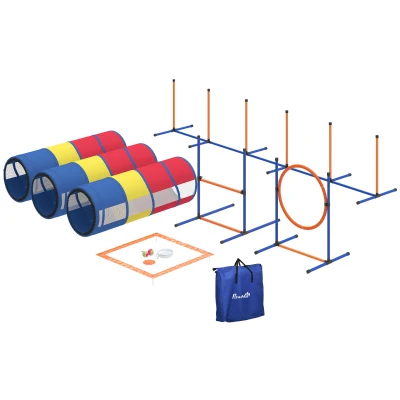
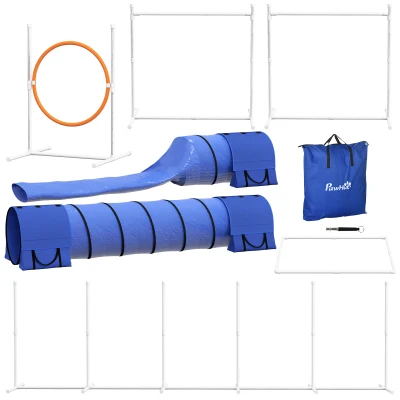
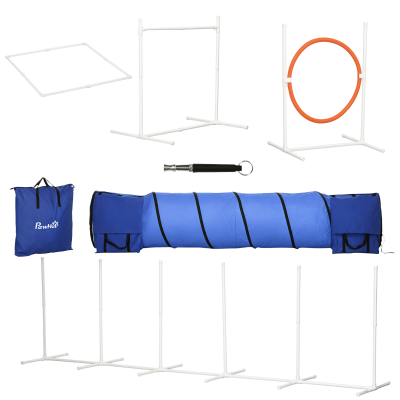
A dog agility kit is a convenient option for building a varied training course without purchasing every obstacle separately. Depending on the set, a kit may include hurdles, weave poles, tunnels, jump rings, pause boxes or other training accessories.
Multi-piece agility sets allow you to change the layout regularly, helping keep training sessions interesting. You can begin with a few simple obstacles and gradually introduce more challenging combinations as your dog becomes comfortable with the equipment.
- Starter agility kits: Suitable for introducing dogs to basic jumping, weaving and tunnel exercises.
- Multi-piece obstacle sets: Provide several activity stations for creating different course layouts.
- Portable training sets: Useful for setting up courses in backyards, parks or other suitable outdoor areas.
- Individual obstacles: Allow you to expand an existing course or focus on a particular skill.
Dog Agility Tunnels
Agility tunnels encourage dogs to move through an enclosed obstacle while responding to verbal commands and hand signals. They can help build confidence, especially when introduced gradually and supported with positive reinforcement.
When starting tunnel training, keep the tunnel straight and allow your dog to see the exit clearly. As your dog becomes more confident, you can adjust the shape of the tunnel or combine it with jumps and weave poles to create a more varied course.
Hurdles, Jumps and Jump Rings
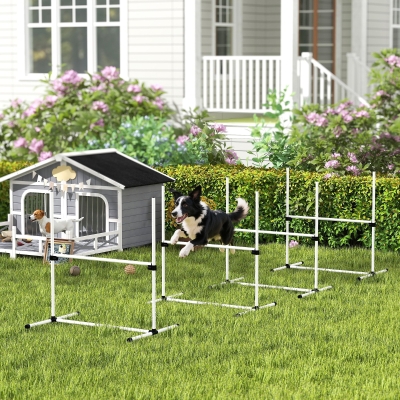
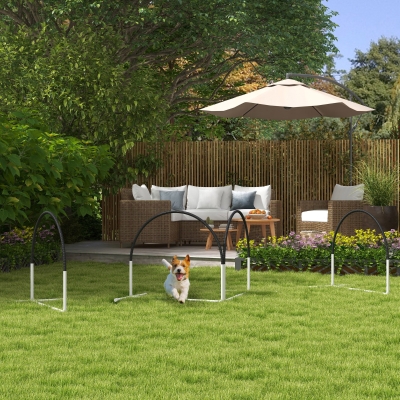
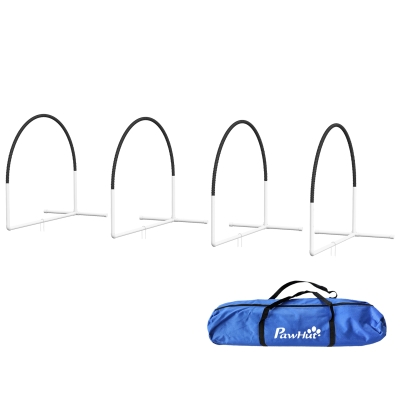
Dog hurdles and jump rings are commonly used to practise timing, coordination and controlled movement. Adjustable obstacles can make it easier to begin at a lower height and gradually increase the challenge based on your dog’s size, age and ability.
Always begin with a comfortable height and avoid encouraging a dog to jump higher than is appropriate. Training should focus on controlled movement and successful completion rather than speed. Place hurdles on a level surface with enough space for your dog to approach and land safely.
Weave Poles for Coordination Training
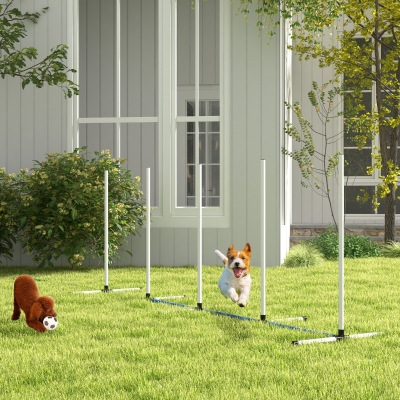
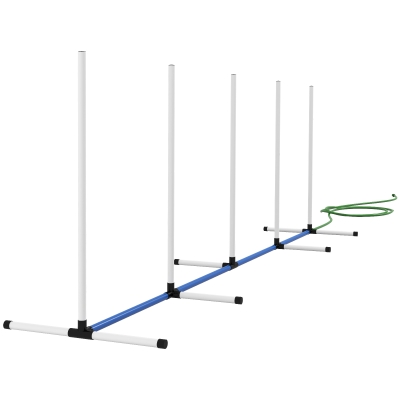
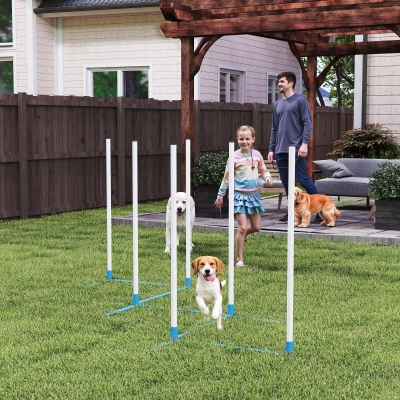
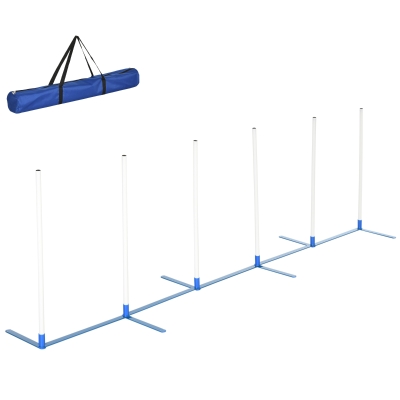
Weave poles help dogs practise body awareness, concentration and directional control. Learning to move between the poles can take time, so it is best to begin with wider spacing and short training sessions.
Guide your dog slowly through the poles using treats, praise or a favourite toy. Once the movement becomes familiar, reduce the amount of guidance and allow your dog to complete the sequence more independently.
Seesaws, Ramps and Balance Obstacles
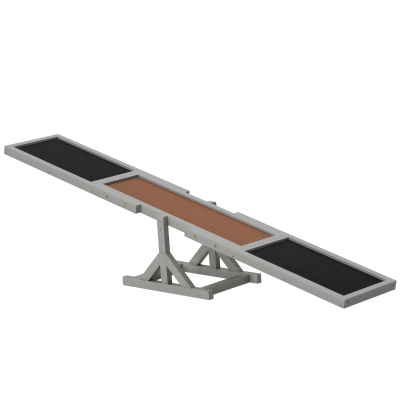
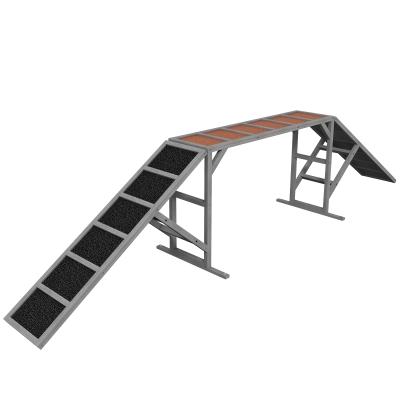
Agility seesaws and ramps introduce dogs to changing surfaces, elevation and balance challenges. These obstacles may help build confidence, but they should be introduced carefully and used under close supervision.
Allow your dog to explore the equipment at a slow pace. Reward calm behaviour and avoid forcing your pet onto an obstacle. Check that the equipment is positioned securely on a stable surface before every training session.
Choosing Dog Agility Equipment
Before choosing agility equipment for dogs, consider your pet’s size, age, activity level and previous training experience. A beginner may benefit from a simple tunnel, low hurdle or compact starter set, while a dog with more experience may enjoy a larger course with several obstacle types.
- Available space: Measure the training area and leave enough room between obstacles for safe movement.
- Dog size: Check the product dimensions and choose equipment that suits your dog’s height and build.
- Experience level: Start with simple obstacles before creating longer or more demanding courses.
- Portability: Consider lightweight or foldable equipment if you plan to move or store the course regularly.
- Course variety: Combining tunnels, jumps and weave poles can provide a more balanced training experience.
Creating a Backyard Dog Agility Course
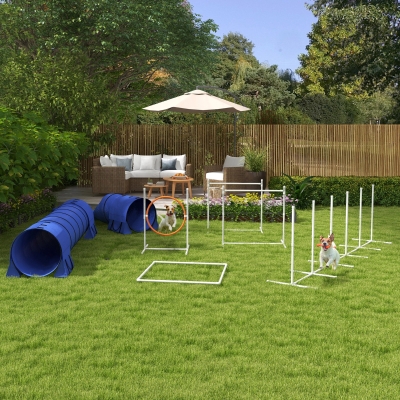
A backyard agility course does not need to use every obstacle at once. Start with two or three pieces of equipment and create a simple sequence that your dog can complete successfully. For example, you could begin with a tunnel, followed by a low hurdle and a short row of weave poles.
Keep the distance between obstacles suitable for your dog and make sure the route is clear of furniture, garden tools, sharp objects and other hazards. Change the layout occasionally to introduce new challenges without increasing the difficulty too quickly.
Tips for Safe Agility Training
- Inspect the equipment before each use and confirm that all parts are correctly assembled.
- Use the course on a level surface with adequate space around each obstacle.
- Begin each session with light movement and simple exercises.
- Keep training sessions short, positive and appropriate for your dog’s fitness level.
- Provide fresh water and allow regular rest breaks during active training.
- Stop the session if your dog appears tired, uncomfortable or unwilling to continue.
- Supervise your dog whenever agility equipment is being used.
Agility training should be enjoyable for both the dog and the owner. Progress at a comfortable pace, reward successful attempts and avoid turning every session into a competition. Consistent, positive practice is more valuable than completing a difficult course quickly.
Frequently Asked Questions
What equipment do I need to start dog agility training?
A tunnel, low hurdle or small agility kit can provide a simple starting point. Beginners do not need a complete competition-style course. Start with a few easy obstacles and add more equipment as your dog gains confidence.
Can dog agility equipment be used at home?
Yes. Many agility kits are designed for backyard or home training. Check the dimensions of each obstacle and make sure the available area provides enough space for safe approaches, landings and movement between activities.
Is agility training suitable for every dog?
Agility activities may be suitable for many healthy dogs, but the difficulty should match the dog’s age, size, fitness level and physical condition. Puppies, senior dogs and dogs with mobility concerns may require lower-impact activities. Consult a veterinarian when you are unsure whether agility training is appropriate.
How should I introduce my dog to agility equipment?
Allow your dog to inspect each obstacle before asking them to complete it. Use praise, treats or toys to encourage calm participation, and begin with short, simple exercises. Never force a dog through a tunnel or onto a raised obstacle.
How often should a dog practise agility training?
The frequency depends on your dog’s fitness, experience and enthusiasm. Short sessions several times a week may be more effective than one long, tiring session. Include rest days and stop before your dog loses interest or becomes fatigued.
Can I combine different agility obstacles?
Yes. Tunnels, hurdles, weave poles, jump rings and balance obstacles can be arranged in different sequences. Begin with a simple course and gradually add more obstacles as your dog becomes familiar with each activity.
0 of 5 items